


A portfolio is a compilation of materials that exemplifies your beliefs, skills, qualifications, education, training, and experiences. It provides insight into your personality and work ethic.
Why should I have a portfolio?
The way of putting together a portfolio itself will help you switch out to be a greater effective interviewee. You are probably identifying the competencies you have got were given obtained thru your severe memories and the manner they relate to the career you've got got a hobby in. Choosing the most relevant memories and putting them in effects understood format will help you better articulate your competencies and memories at the same time as asked questions about your qualifications in an interview. A professional portfolio can even show an organization proof of your organizational, communication, and tangible career-related competencies.
What should be included in my portfolio?
Save everything you create and decide later what you want to include in your portfolio. A portfolio is a sample of your career-related skills and experiences and should be presented in your own creative style. The following is typically included in a career portfolio:
- Statement of Originality: A paragraph stating that this is your work and that it is confidential. It should also indicate if any parts of the portfolio should not be copied.
- Example: Statement of Originality and ConfidentialityThis portfolio is the work of James Cook. Please do not copy without permission. Some of the exhibits, work samples, and/or service samples are the proprietary property of the organization whose name appears on the document. Each has granted permission for this product to be used as a demonstration of my work.
- Work Philosophy: A brief description of your beliefs about yourself and the industry.
- Career Goals: Your professional goals for the next five years.
- Resume: (add Resume Writing link)
- Skill Areas: Identify three to five of the major skill set areas you have that would be important for someone in your career field to have. Examples include Management, Computer Skills, Public Relations, Leadership, Accounting, Communications, and Customer Service. Next, select or request letters of recommendation and specific work samples or projects that exemplify these skill sets. Sources of work samples include classroom projects, materials generated on the job or during an internship/co-op experience, materials from community service, volunteer work, campus clubs and organizations, and professional memberships.
How to select the best work samples?
Ask yourself the following questions about each sample: What will this work demonstrate-skills, competencies, or achievement of goals? Also, ask yourself.
- Which skills is the organization looking for in this position?
- What is your best work?
- Which samples show the most skills and competencies?
- Practice speaking about your sample.
- 3-ring Notebook (cloth, vinyl, or leather)
- Table of Contents
- If clarification of a particular section is needed, write a brief description of what is included in that section and why you have chosen to include it in your portfolio. Place the overview at the beginning of that section.
- Use extra-wide 3 ring tabs with labels to separate each section so you can easily find the information during an interview situation.
- Use high-quality paper (24#) as well as a high-quality printer.
- Use colored paper to draw attention to special samples, but use a soft, subtle color and only use a total of three different colors.
- Put all pages in page protectors using front and back sides (do not use three-hole punch).
- Place three extra copies of your resume and list of references in a protective sleeve to hand out during your interview.
- Set the timestamp correctly. This ensures that maps will be timestamped correctly and students will get full credit for the post.
- Enable the comments section so that other students may comment on your maps.
- Students do NOT have to make their blog public (i.e. searchable by Google) but they DO have to provide a link so that teachers can access their blog and add it to the program blog list for other students to view.
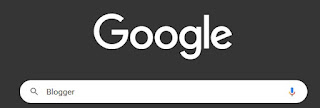


Step 5: Set your blog title
Once Blogger Dashboard opens, you will be prompted to sign in, then to Choose a name for your blog.

Step 6: Set our blog URL
This is the URL that people (including your instructors) will use to visit your blog. The input will let you know if the URL you've chosen is available or not.
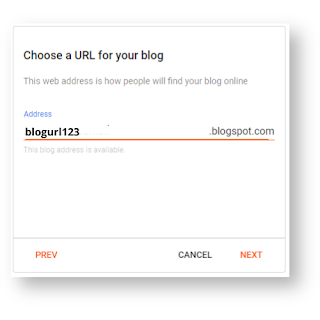
The full URL (including .blogspot.com) is what you submit to the Blog Sheet.
Step 7: Set your blog Display Name
Confirm how your name should be displayed. It's suggested to use your first name so that your blog is easily identifiable for instructors and prospective employers.

Step 8: Edit your theme
In the top left of the screen, there are 3 horizontal lines. In that menu, there is a Theme option. Click it and choose a theme you like for your blog. You can change this anytime. Once you've finished with this, open the side menu again and click on View blog to view your blog.

Congratulations! You made your blog and you are ready to start blogging!
Step 9: Optional profile information and Edit theme.
NOTE: We encourage students to include a profile picture on their User Profile.
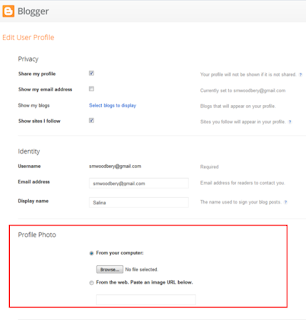
Completing the About Me section, found in the Layout menu, with information is also advisable as long as it is general and professional.
And then go back to themes settings and edit your theme.

Open theme and customize this theme download our "Arsira Portfolio Theme" and copy all codes and paste.

Open this down arrow button and "Edit HTML" to open theme coding

Replace this code with our code files. "Download HTML Code File Link Given Below"

How To Create a free Portfolio?
If you need a free online portfolio like this "DEMO"
- Create a blog on Gooogle Blogspot.
- To themes Edit HTML and Download our "Portfolio Theme" for free.
- Unzip Theme file.
- Open it and copy all codes and paste them into your blogger theme and save.
- Your portfolio is ready.
How to change theme icons?
You just need to change the icon name to change it. All icons are given in theme no need to get from others.

There are all icon names available.
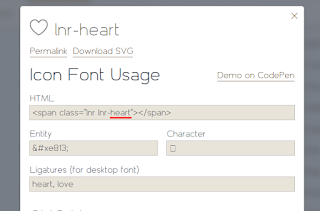
Just open the theme code and replace any icon.

For example, you need to replace the "Map" icon with the "Heart" icon. Just replace "Inr-map" with "Inr-heart" and you can change any icon like this.
You just need to change the icon name to change it. All icons are given in theme no need to get from others.
There are all icon names available.
Just open the theme code and replace any icon.
For example, you need to replace the "Map" icon with the "Heart" icon. Just replace "Inr-map" with "Inr-heart" and you can change any icon like this.
Theme Image Sizes and Layout Settings
Main Header Image
- Size: 1600 × 1067 px
- ID: header-wrapper

- Size: 1600 × 1067 px
- ID: header-wrapper

Header Logo Image
- Size: 150 × 56 px
- ID: Header1_headerimg

- Size: 150 × 56 px
- ID: Header1_headerimg
Main Gallery
- Size: 500 × 500 px ( Logo Size)
- ID: Section-5

- Size: 500 × 500 px ( Logo Size)
- ID: Section-5
Team Gallery
- Size: 290 × 455 px or 500 × 500 px ( Logo Size)
- ID: Section-6

- Size: 290 × 455 px or 500 × 500 px ( Logo Size)
- ID: Section-6